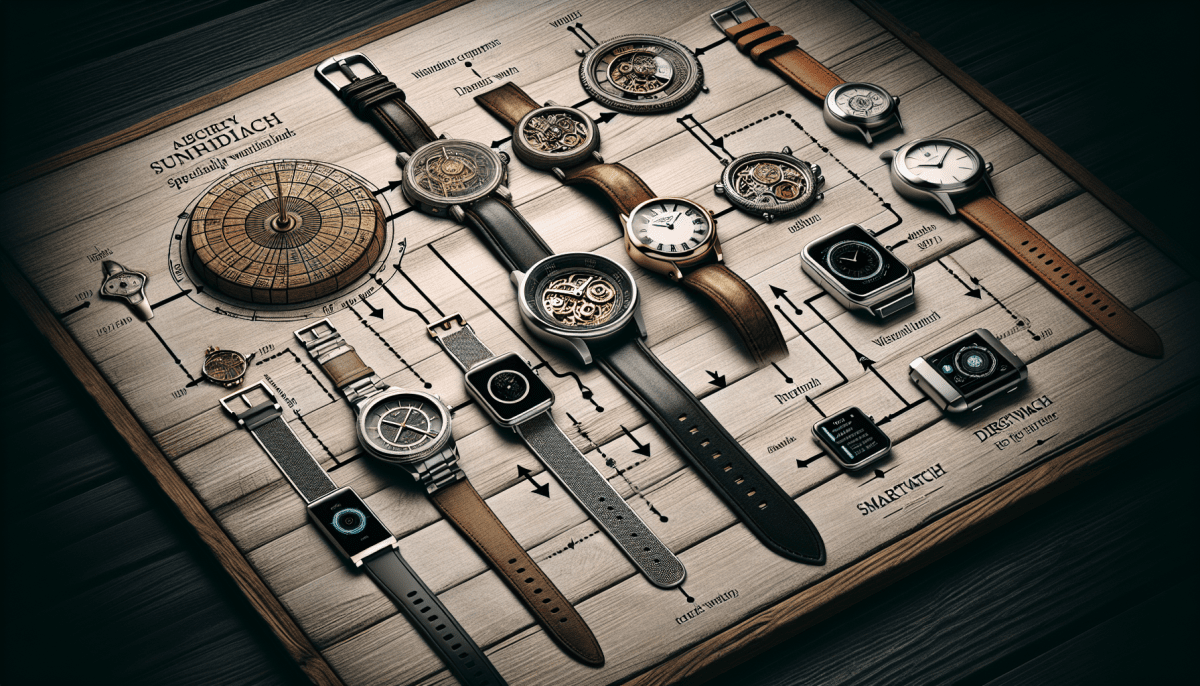
Wristwatches have come a long way since their humble beginnings. Back in the 16th century, people mainly used pocket watches, which were pretty bulky and not so convenient to carry around. Imagine fiddling with a watch tucked away in your pocket every time you needed to check the time! It wasn't until the late 1800s that a few pioneers began to adapt these designs to be worn on the wrist.
The real game-changer was during World War I. Soldiers found pocket watches cumbersome, so they began strapping them to their wrists. This inspired watchmakers to create more durable, reliable designs tailored for combat. These early wristwatches had a very utilitarian look—think military and rugged—perfect for the battlefield.
Fast forward to the 1920s and 1930s, when wristwatches started to gain some serious style points. Thanks to innovative designs and the influence of fashion, they became more popular among the general public. Brands like Rolex and Longines introduced elegant models, turning watches into fashionable accessories rather than just practical timekeepers.
The invention of quartz technology in the 1970s was another big leap. These watches were lighter, cheaper, and way more accurate than their mechanical counterparts. This shook up the entire watch industry and made watches accessible to everyone, not just the well-off. It was a time of growth and change!
Today, wristwatches are a blend of style, technology, and personal expression. Whether you prefer classic designs or digital smartwatches, there’s something for everyone. The evolution from pocket watches to sophisticated wristwatches shows how our needs and taste in timepieces have transformed—and they continue to amaze us!
How Wristwatches Changed Over Time
Wristwatches have come a long way since their early days. Initially, they were considered a ladies' accessory. Men typically relied on pocket watches. But as time went on, designers and watchmakers realized that a wristwatch could be both functional and stylish. The shift started in the late 19th century, with soldiers in World War I needing something easier to check without fumbling in their pockets. Enter the wristwatch, which quickly became popular among men too.
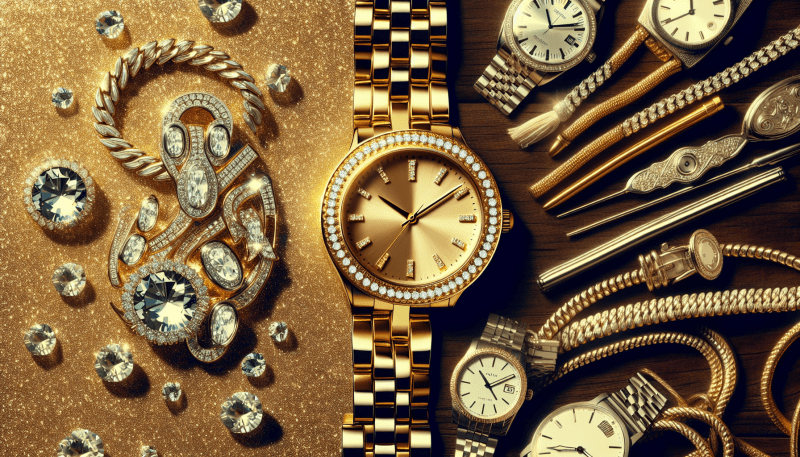
The 1920s and 1930s brought a wave of innovation. Watchmakers began to play with materials and designs. Stainless steel became the go-to for durability, while precious metals like gold added a touch of luxury. Meanwhile, Art Deco and Bauhaus influenced the aesthetics, introducing bold shapes and clean lines. It was a time when a watch was not just about telling time; it was also about making a statement.
Fast forward to the 1970s, and the quartz revolution changed everything. Quartz watches were cheaper to produce and more accurate than mechanical ones. Suddenly, affordable and reliable timepieces flooded the market. This led to the rise of brands that made stylish yet budget-friendly options. Everyone wanted a watch that not only looked good but kept perfect time!
In recent years, the smart watch trend has taken off. These gadgets do way more than just tell the time. They track your fitness, receive messages, and even monitor your heart rate. Brands have started blending traditional designs with high-tech features. You can now find smartwatches that look like classic timepieces, letting you enjoy the best of both worlds.
Innovative Features in Modern Designs
Wristwatches have come a long way since their humble beginnings. Today’s designs are packed with innovative features that keep up with our fast-paced lives. Let’s dive into some of the coolest aspects you'll find in modern timepieces.
First off, smartwatches have completely changed the game. These devices do more than just tell time. They track fitness, monitor heart rates, and even let you receive notifications right on your wrist. Imagine checking your messages while you're out for a run without needing to pull out your phone. That's convenience at its best!
Then there are the sleek designs and materials. Many brands are using lightweight metals and durable ceramics that feel great on the wrist. Some even have sapphire crystal faces for scratch resistance. Not only do these watches look stylish, but they’re also built to last. You can wear them every day without worrying about wear and tear.
Don’t forget about customization! Some watches allow you to swap out bands and change watch faces to match your mood or outfit. This feature means you don't have to stick to just one look; you can change it up whenever you want. It's a fun way to express your personality.
Lastly, many modern watches include eco-friendly options. Solar-powered watches harness energy from the sun, making them sustainable and low-maintenance. You get a fantastic watch while also doing a little good for the planet. What’s not to love?
Choosing the Right Watch for You
Finding the right watch can feel a bit overwhelming with so many options out there, but it doesn't have to be complicated. Start by thinking about your style. Do you want something sporty, elegant, or a mix of both? If you’re planning to wear it daily, then pick something that matches your wardrobe and lifestyle.
Next up, consider the features that matter to you. Are you into fitness? Look for a watch with a heart rate monitor or GPS. If you're after something classic, think about a simple analog watch that never goes out of style. Functionality is key, so choose what fits your routine.
Don’t forget about the size and fit. A watch should feel comfortable on your wrist and not too bulky or too slim. Measure your wrist if you're unsure, and check the watch dimensions before you buy. A good fit makes all the difference in how much you'll enjoy wearing it.
Lastly, set a budget. Watch prices can range from super affordable to luxury pieces. Decide what you’re willing to spend and stick to it. Remember, a great watch can blend quality with style at a price that feels just right.